

In an emotional leadership handover event at the AFAAS Secretariat, staff members recently honoured outgoing Executive Director Dr. Silim Nahdy as he
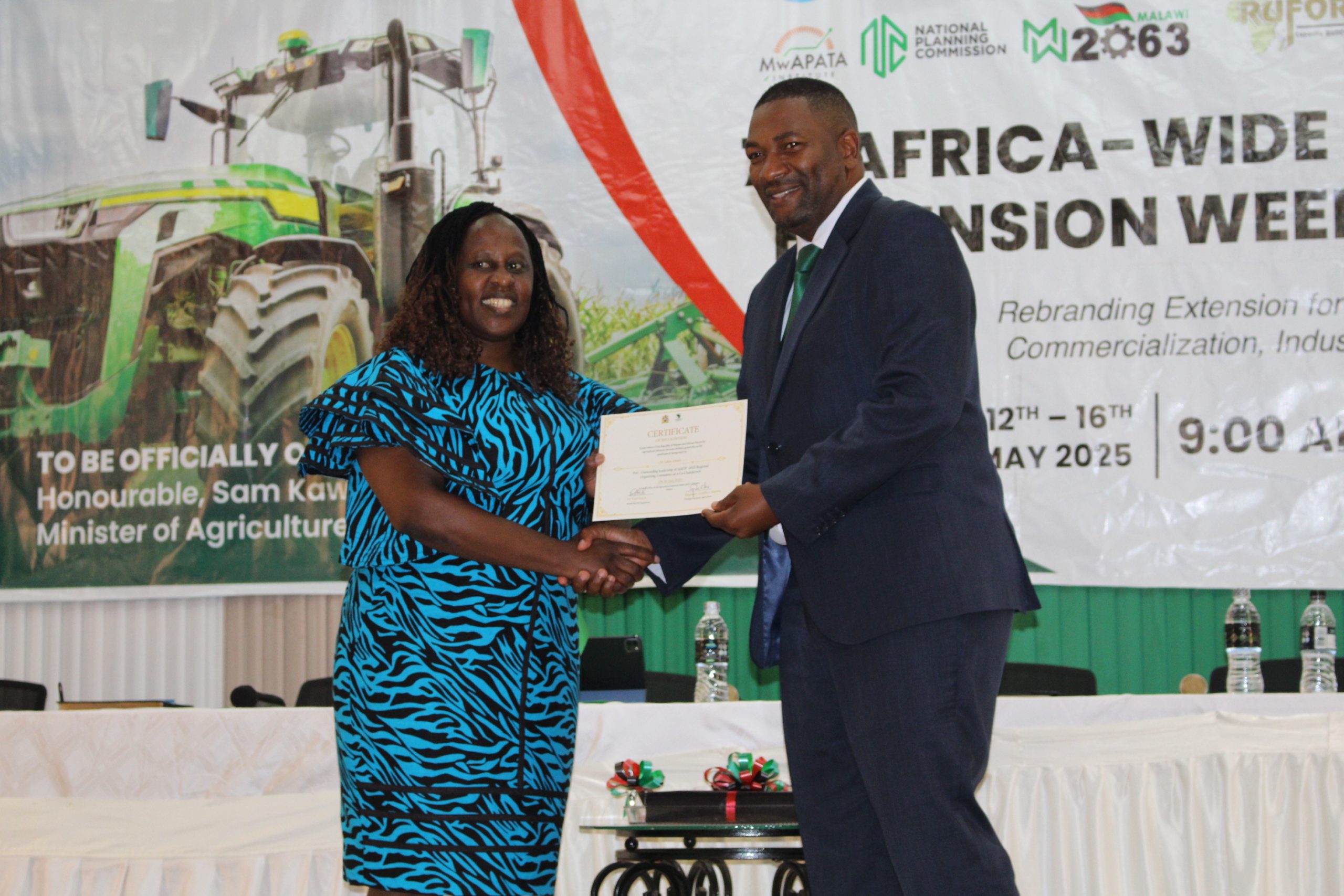
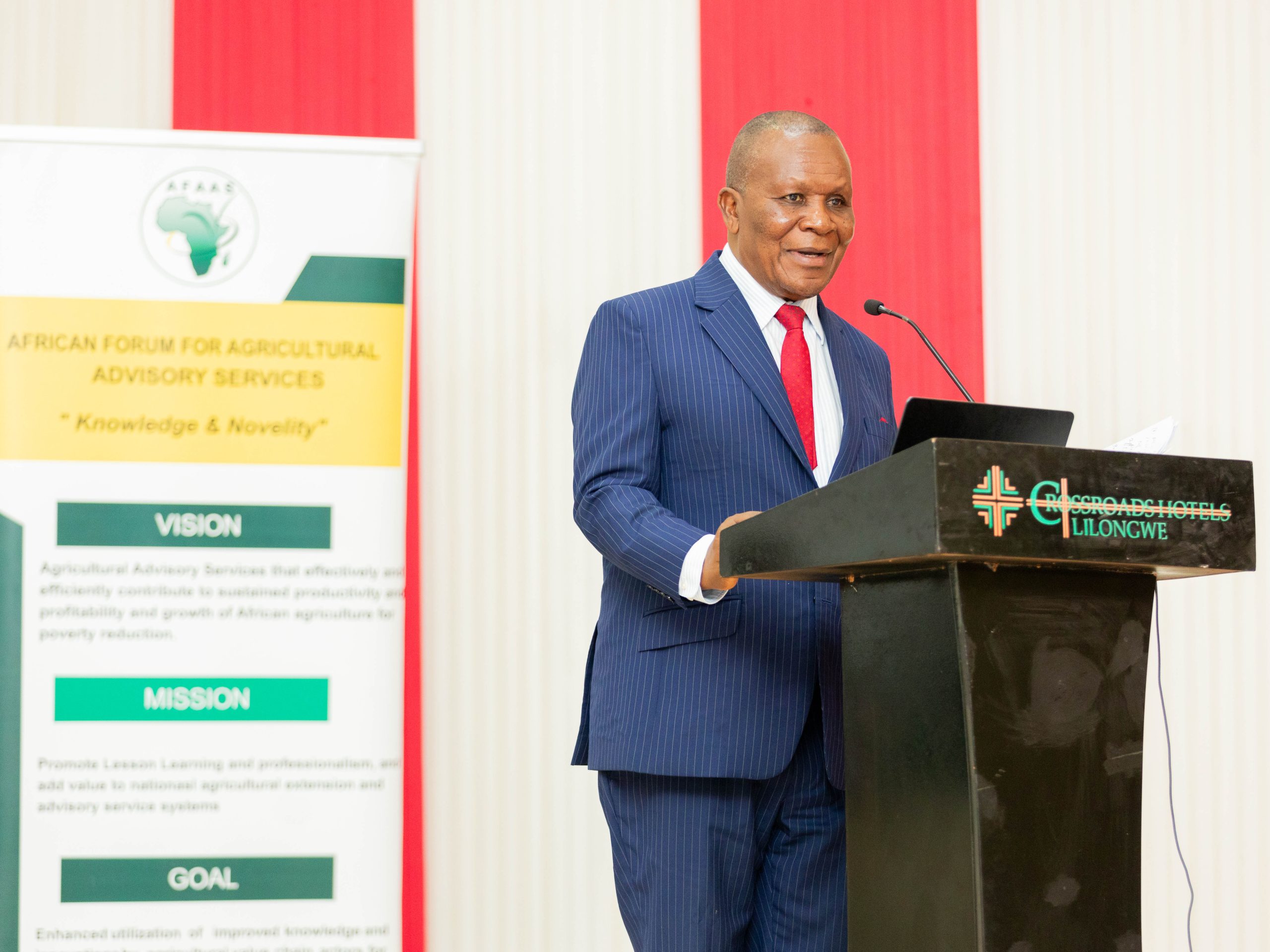
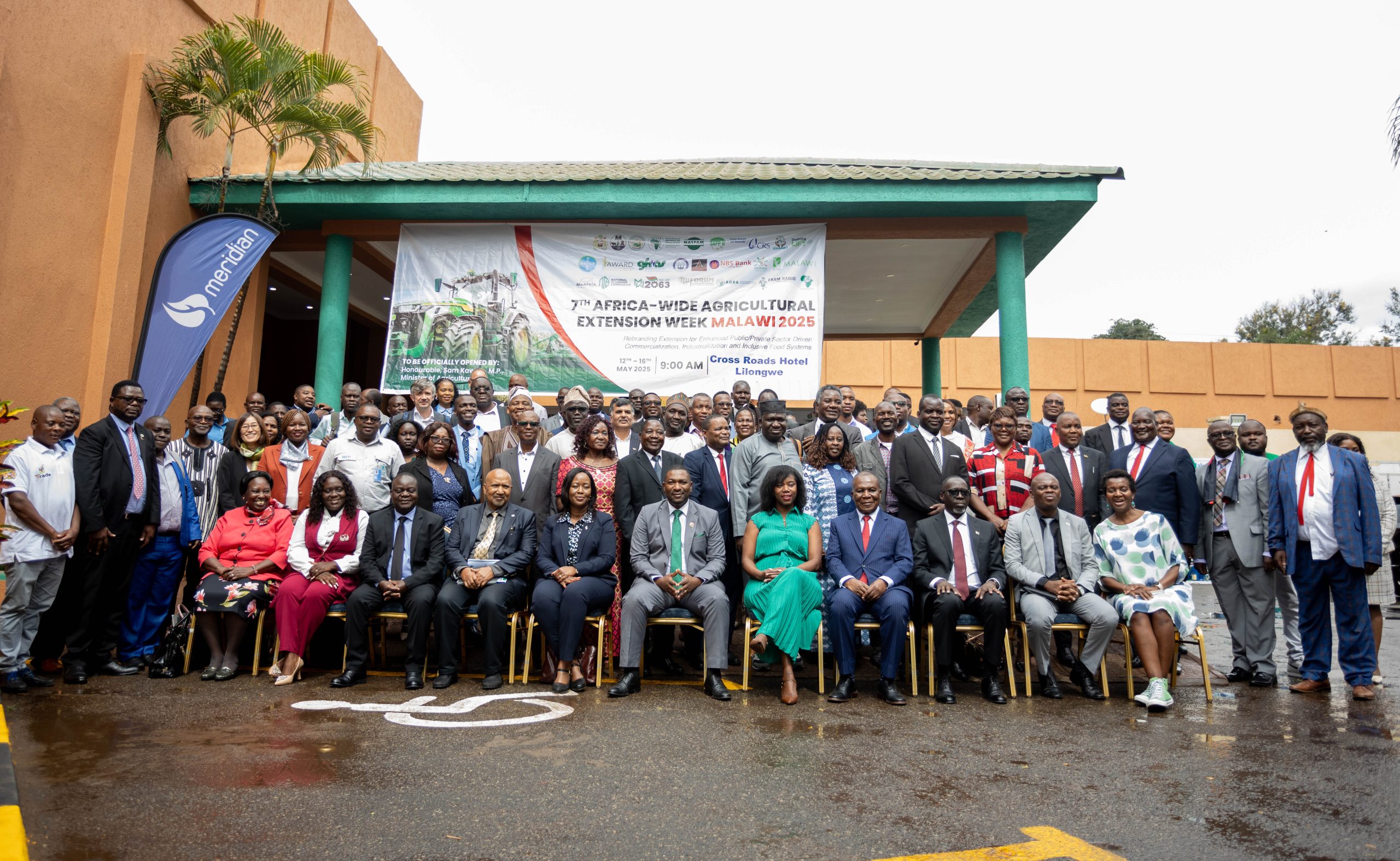
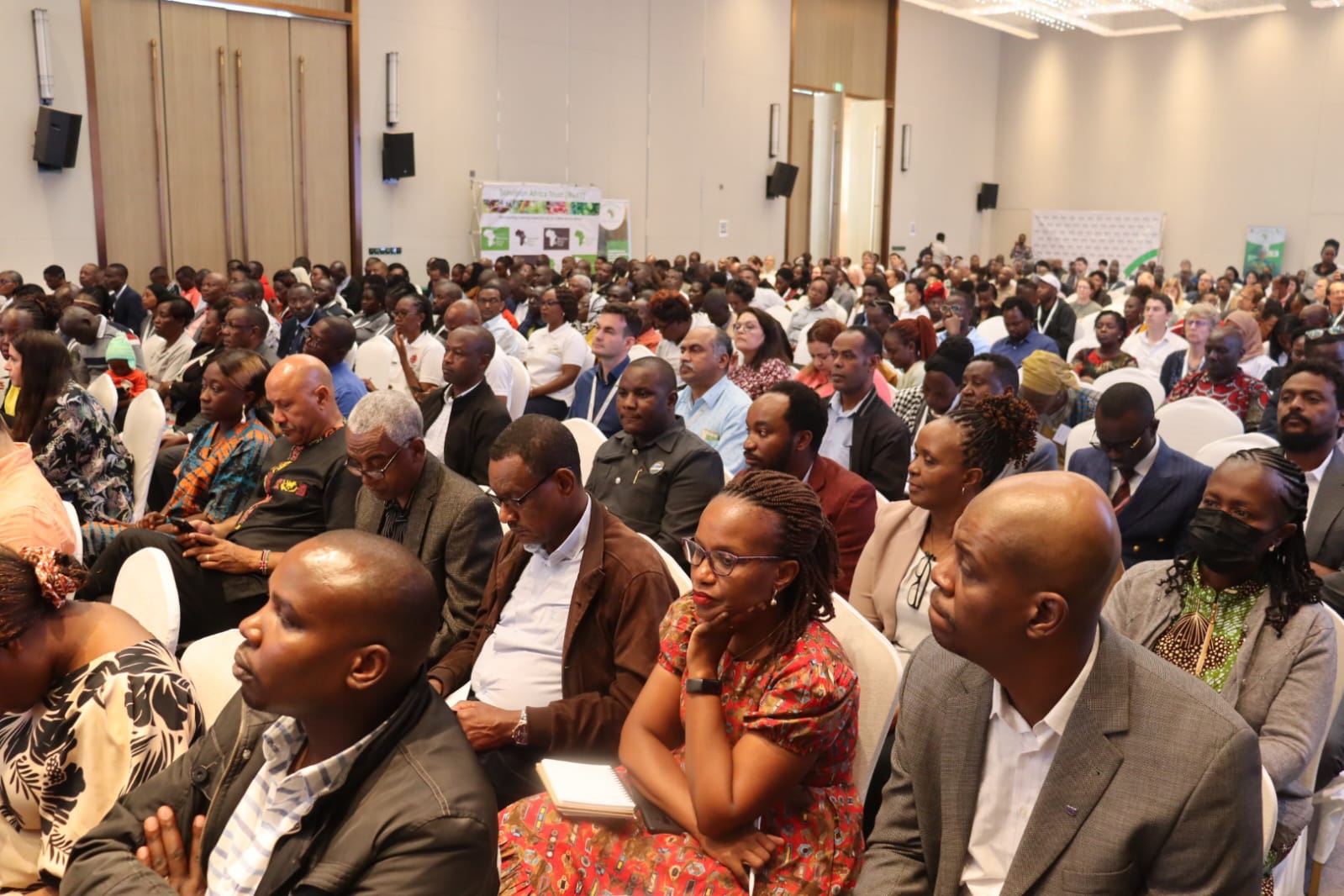


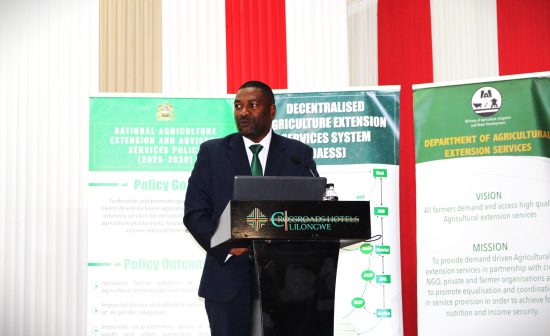
During the Africa-wide Agriculture Extension Week 2025, Malawi’s Agriculture Minister, Sam Kawale launched the Mlimi Mobile App developed by Farm Radio Trust
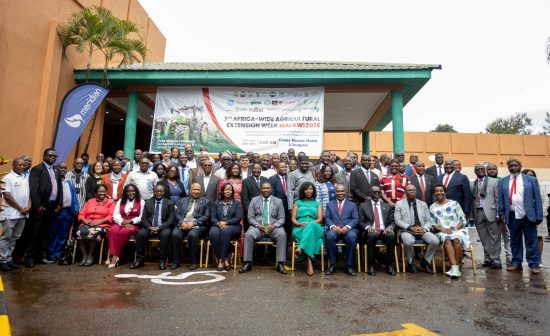
During the 7th Africa-Wide Agricultural Extension Week, different stakeholders from across the continent renewed a call to make agriculture attractive to women
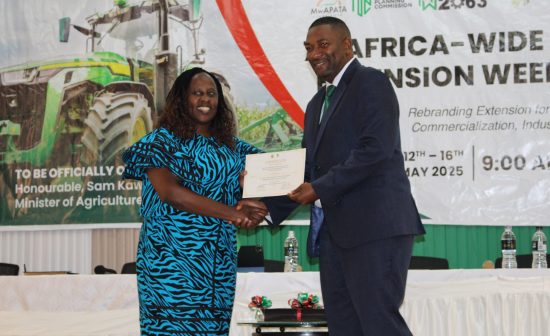
During the 14th Annual general assembly of the African forum for agriculture advisory services AFAAS, at the sidelines of the Seventh Africa-wide
The week is being commemorated under the theme ‘Rebranding Extension for Enhanced Public/Private Sector Driven Commercialisation, Industrialisation, and Inclusive Food Systems’. The
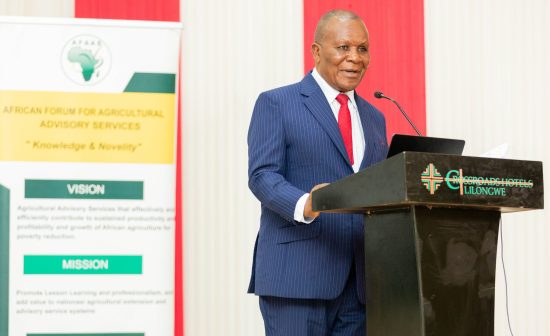
Professor Richard Mkandawire, a renowned champion of the Comprehensive Africa Agriculture Development Programme (CAADP) and current Africa Director of the Alliance for African Partnership (AAP),
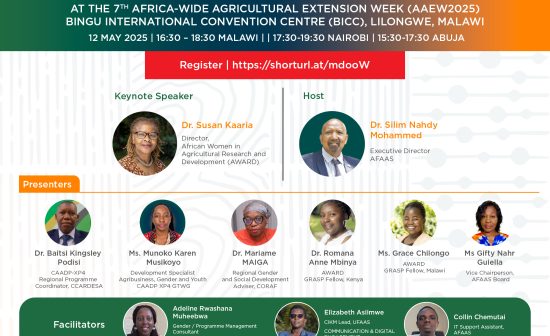
Drawing from the 6th Africa-Wide Agricultural Extension Week (AAEW), held from 5th to 11th November 2023 at the Abuja Intercontinental Hotel in
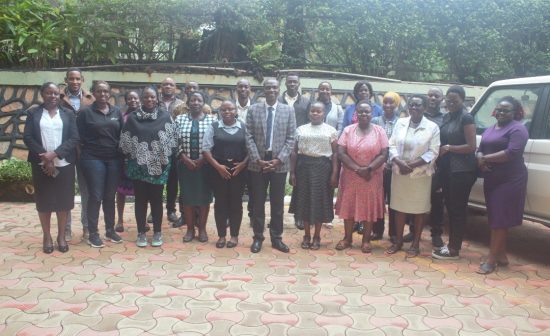
In order to enhance food security, reduce yield gaps and enhance climate change adaptation of smallholder farmers, stakeholders have called for the
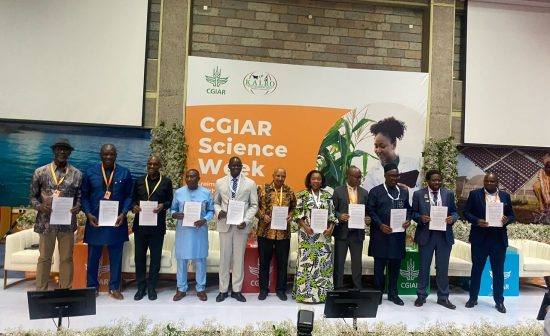
In a landmark moment for African agricultural research and knowledge management, Dr. Silim Nahdy, Executive Director of the African Forum for Agricultural
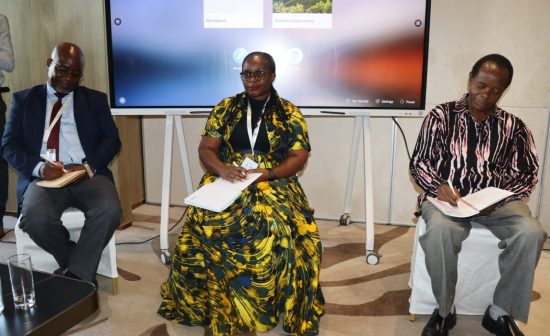
At the Second East African Agroecology Conference in Nairobi, African experts reiterated the critical need to strengthen research and extension services to
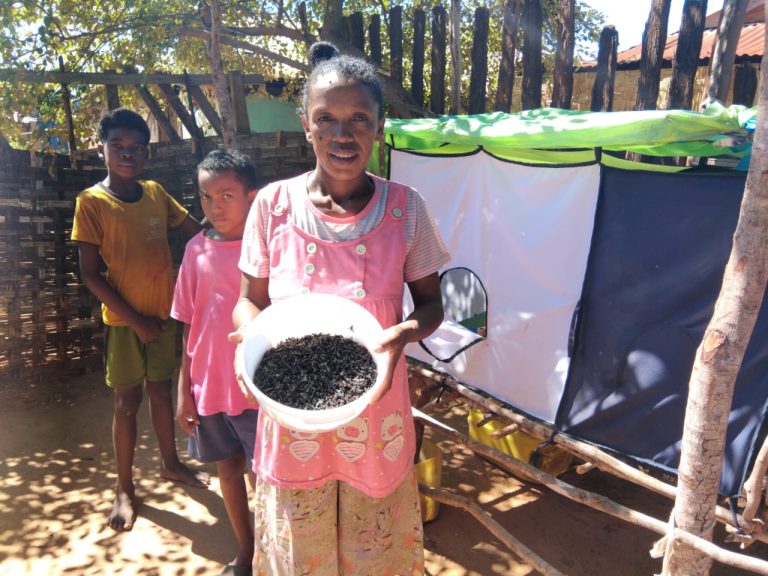
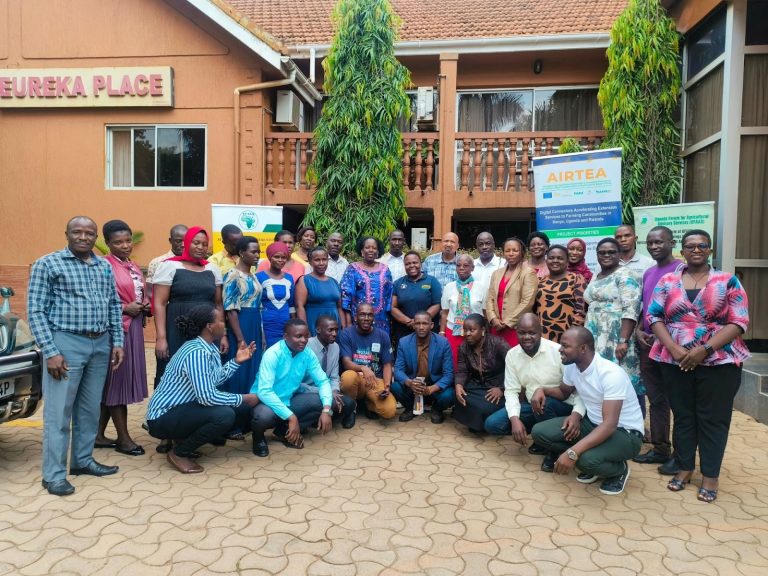
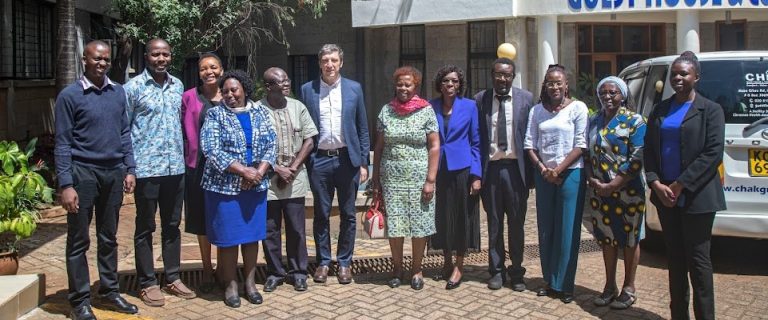
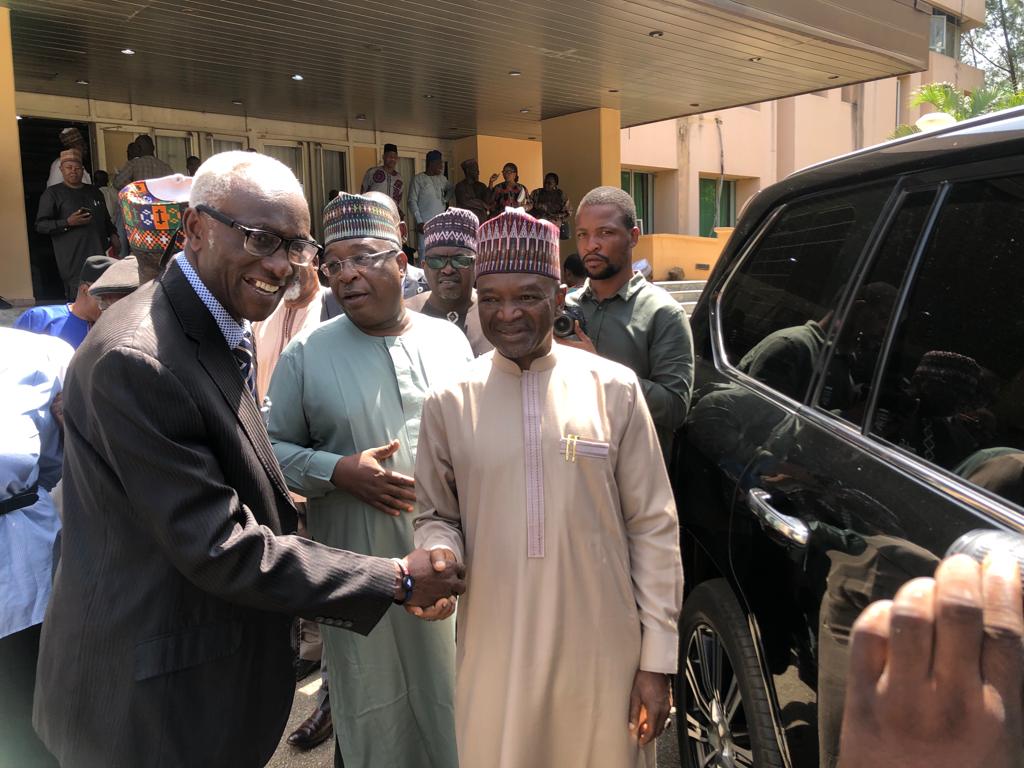
Abuja-Nigeria: The Minister of Agriculture and Rural Development, Dr. Mohammad Abubakar has called for all African countries to embrace climate smart agriculture
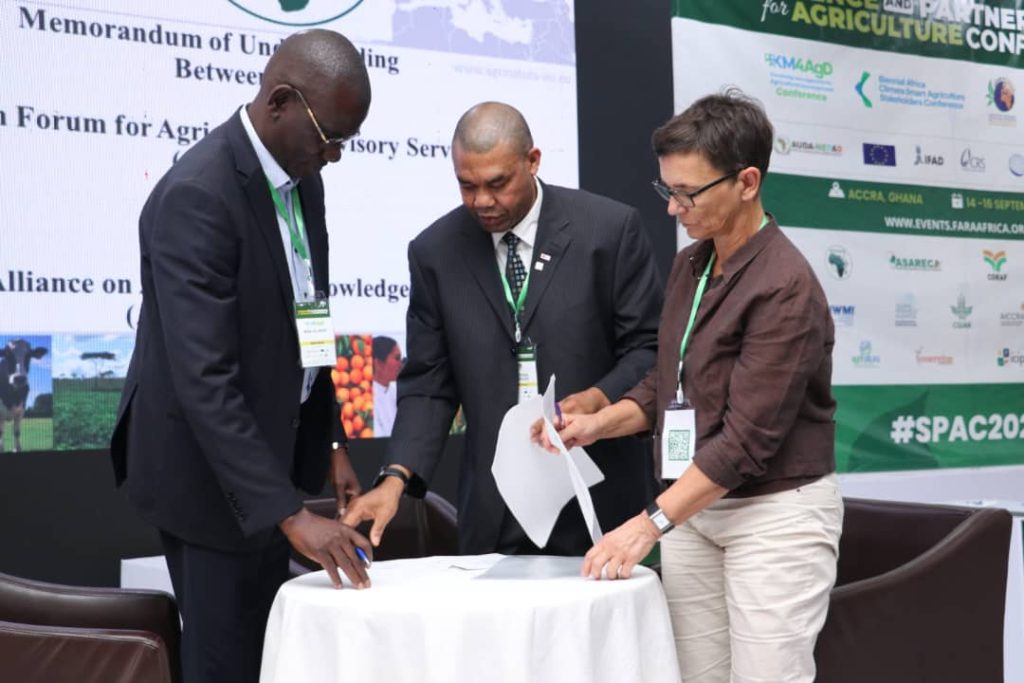
Accra-Ghana: The African forum for Agricultural Advisory Services (AFAAS) on the 16th September signed a Memorandum of Understanding with The European Alliance
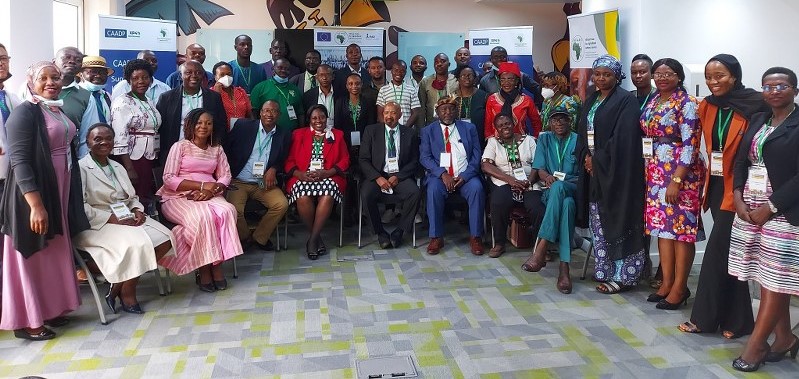
Nairobi Kenya: The African Forum for Agricultural Advisory Services (AFAAS) with support from the European Commission held an Internal review, planning and
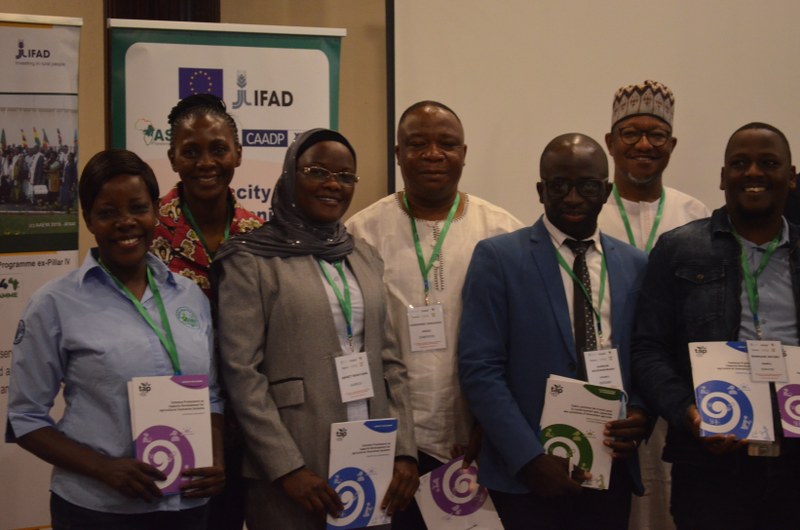
Nairobi Kenya: The Training of Trainers integrating the Tropical Agricultural Platform Framework (TAP) into African Research and Extension Organizations was held on
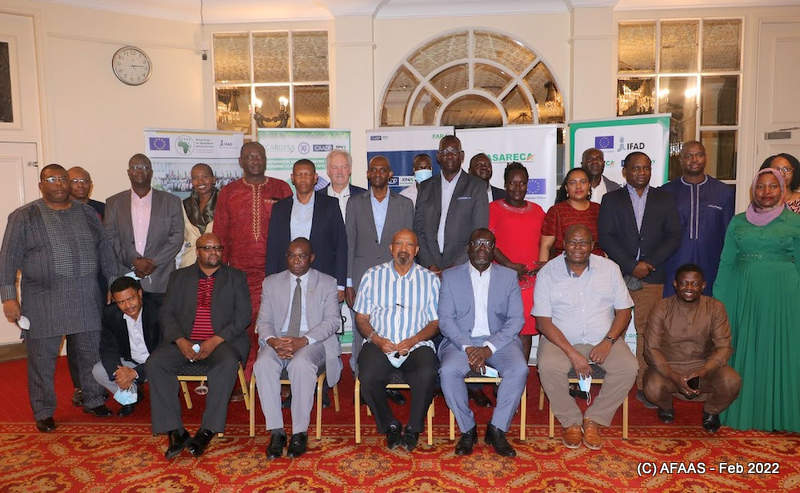
NAIROBI, KENYA: on 1st February, The African Forum for Agricultural Advisory Services (AFAAS), together with The Association for Strengthening Agricultural Research in
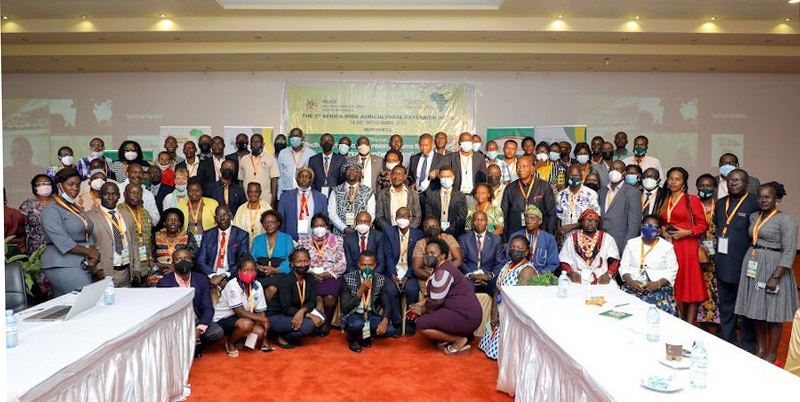
Download the declaration here Declaration in English Déclaration en Français Arabic / إعلان The 5th Africa Wide Agricultural Extension week 2021 is
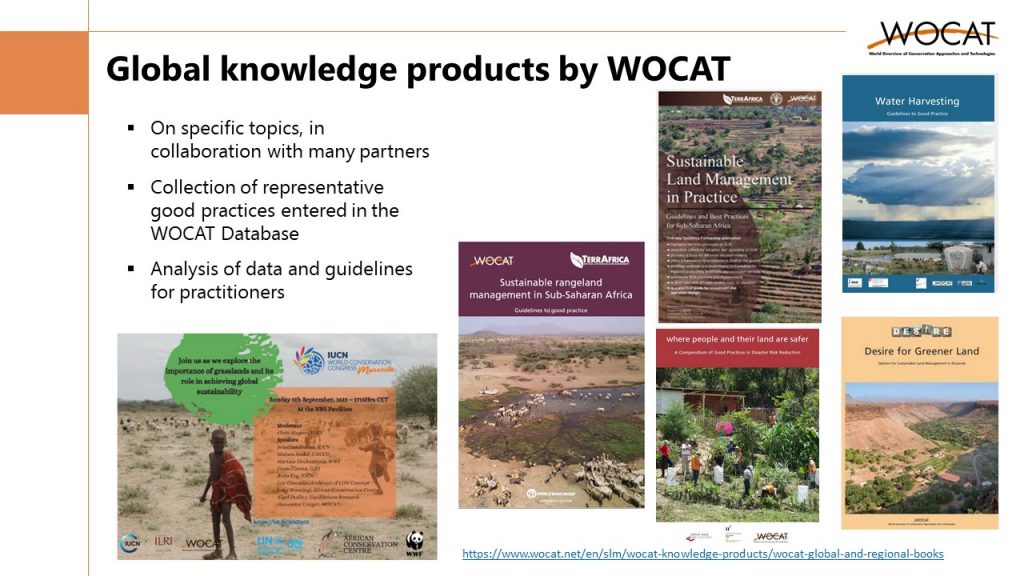
Digitalisation of Agricultural Extension and Advisory Service in Africa is a new trend supported by the AFAAS since the year 2020. The
Rapid advances in global knowledge economy are increasing the complexity of the challenge on least skilled workforce in Africa because the workforce
Different extension approaches have been developed and tested. Among these approaches include farmer field schools (FFS) and Smallholder Horticulture Empowerment and Production
Youth present an opportunity toward addressing the extension and advisory services capacity gap. On the one hand, youth should be targeted as
Several countries in Africa have adopted pluralistic extension service delivery. Involvement of private advisory service providers in part addressed the dwindling public
There is growing evidence on how digital disruptions could transform agriculture service provision including extension. Digitally-enabled advisory services could significantly change its
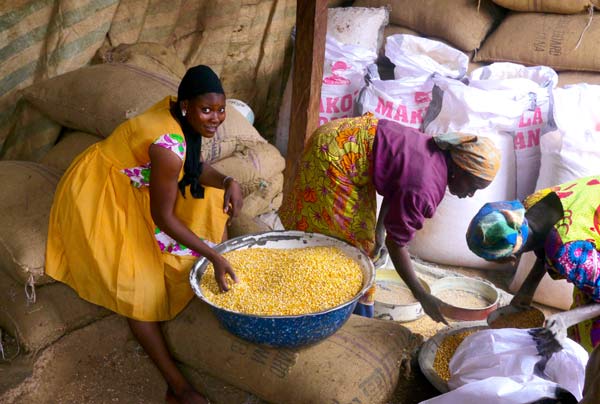
East Africa Community of Practice Knowledge Sharing Event Background Agricultural extension and advisory services are critical for agricultural development. They provide mechanisms
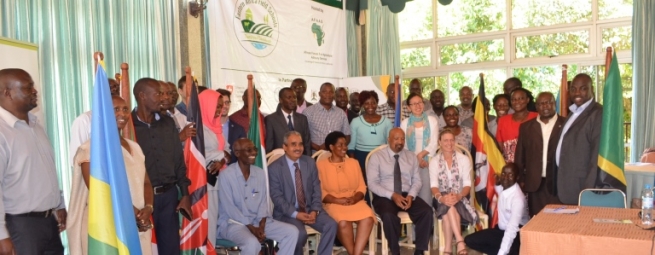
The Eastern Africa Field Schools Support Hub has officially been launched in Entebbe, Uganda. The colorful event was held at the Entebbe
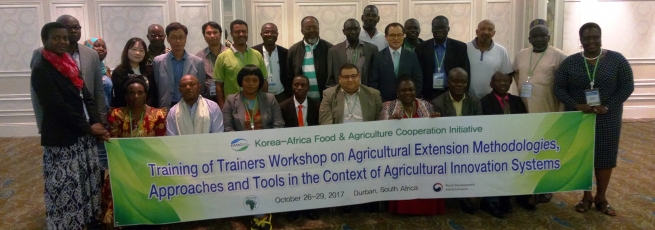
The two partners organised a four days training program to strengthen capacities of public extension actors from ministries of agriculture and public
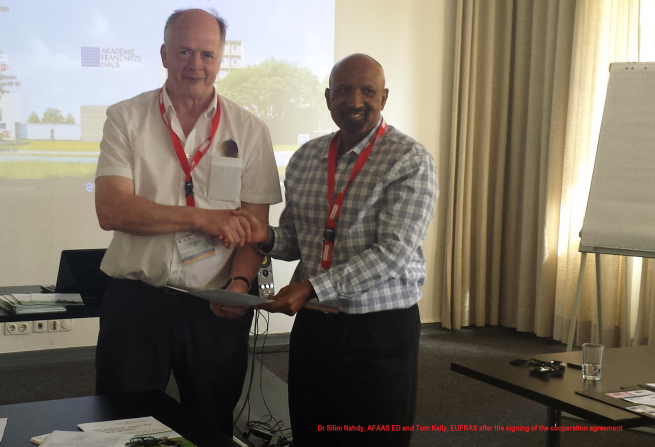
Münster, Germany, 21 June, 2017 The African Forum for Agricultural Advisory Services (AFAAS) represented by its Executive Director, Dr Silim Nahdy and
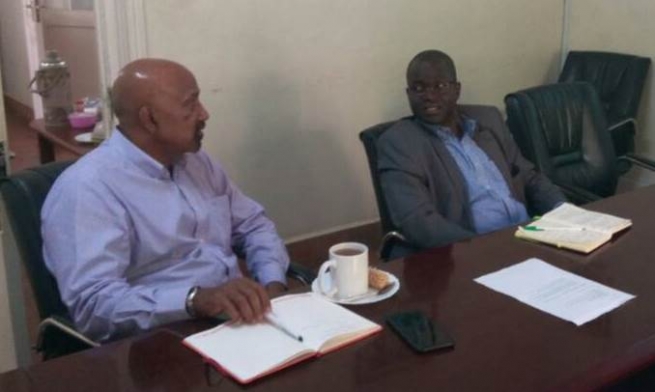
Friday, 2nd June 2017, Dr Nelson Ojijo, the newly appointed Access Agriculture Executive Secretary paid a courtesy visit to AFAAS Secretariat in
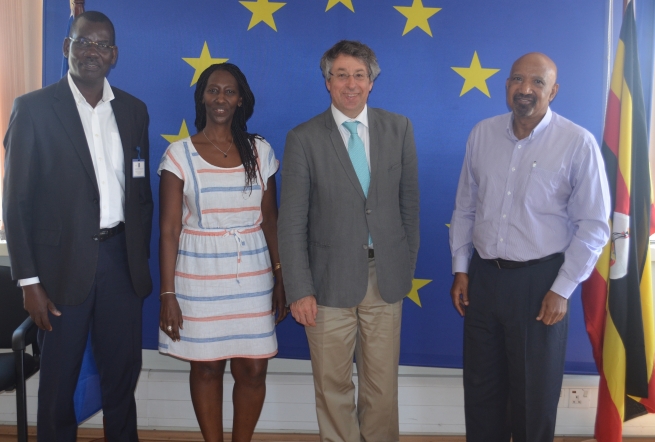
On 2nd June 2017, Dr Silim Nadhy, AFAAS Executive Director paid a courtesy call to the Mr. Bernard Rey, Deputy head of
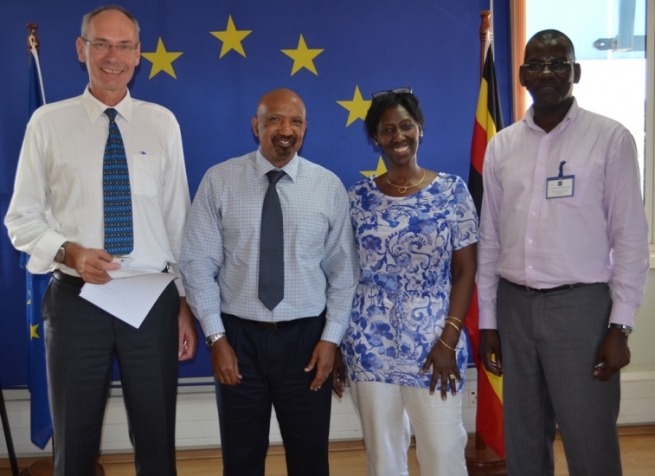
Following the recent appointment of Mr. Aloys Lorkers as head of section for Sustainable Development, the AFAAS team made a courtesy visit
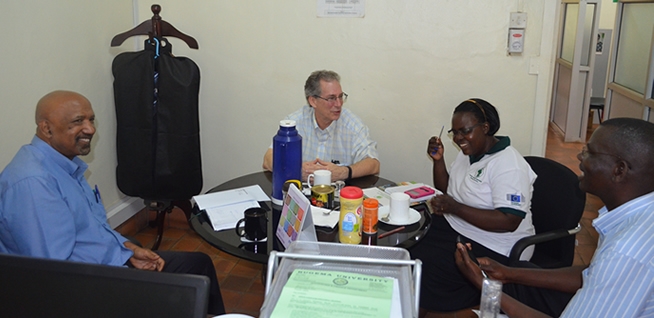
Dr Silim Nahdy, the AFAAS Executive Director received Pr McNamara, the Project Director for the Modernizing Extension and Advisory Services Project (MEAS
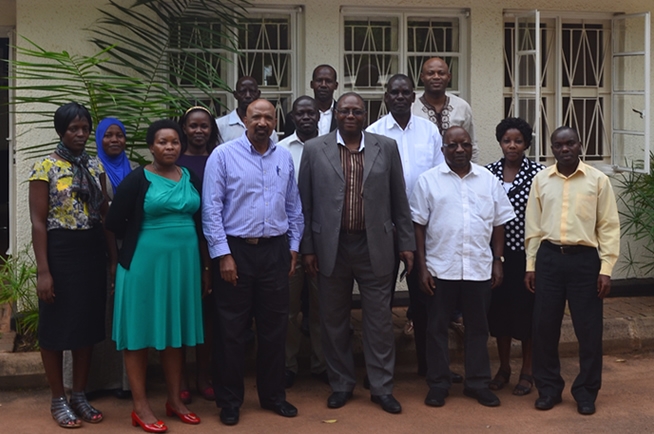
On December 10, 2015, Dr. Silim Nahdy, the AFAAS Executive Director and his staff warmly received Dr Yemi, FARA Executive Director at
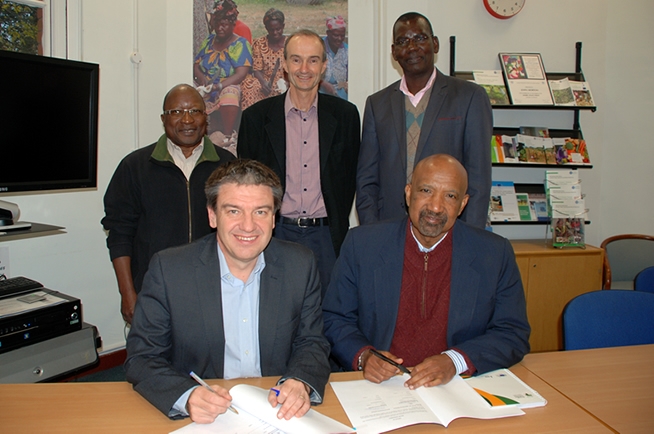
The African for Agricultural and Advisory Services (AFAAS), had a partnership working visit to the Natural Resources Institute (NRI) in Chatham, UK,
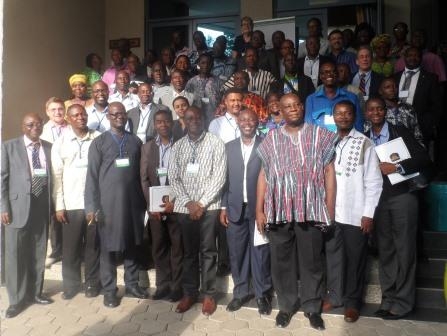
The Memorandum of Understanding was signed between AFAAS, Ghana Country Forum and the Ministry of Food and Agriculture (MOFA) during the National
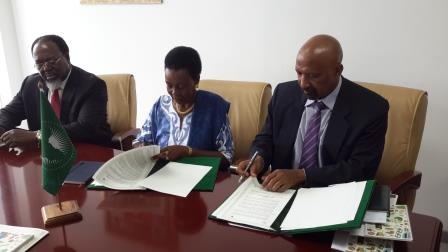
Addis Ababa 13th April 2015 The African Forum for Agricultural Advisory Services (AFAAS) signed a Memorandum of Understanding (MOU) with the African
In its partnership policy framework, the African Forum for Agricultural Advisory Services (AFAAS) recently signed a Memorandum of Understanding (MoU) with the African
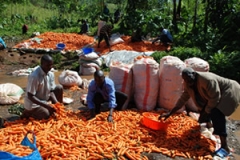
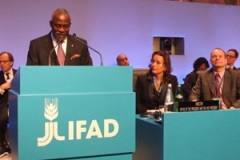
The International Fund for Agricultural Development (IFAD) has given a grant to AFAAS as a contribution towards implementation of its (AFAAS) strategic
The project aims to improve food security (increased food self-sufficiency and incomes) of smallholder farmers in SSA through reduction of postharvest losses
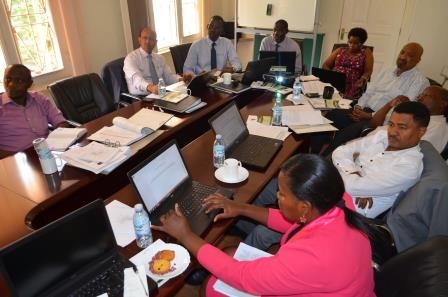
AFAAS Secretariat staff and Dr.Tekola Dejene from WB during their session. Conducted by Ms. Brem Nathan and Dr.Tekola Dejene from the World











South Africa has more than three million farmers but only 1989 public agricultural extension officers to keep them connected to government support.
What is the future for Agricultural Advisory Services in Africa? This was the main question during the joint regional workshop organised in
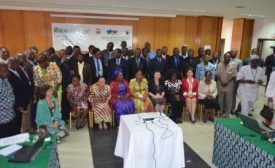
The workshop for the formalization of the West and Central Africa Network of Agricultural and Rural Advisory Services (RESCAR-AOC) started today at
South Africa has more than three million farmers but only 1989 public agricultural extension officers to keep them connected to government support.

SARFAAS handover e-meeting was organised on Friday the 24th of April 2020 between the outgoing key board members, Prof. Zwane Elliot (outgoing Chairperson)
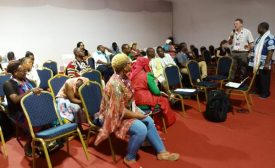
The SARFAAS is the regional network of AFAAS in the Southern Africa Region. Its mandate is to coordinate and support the Country
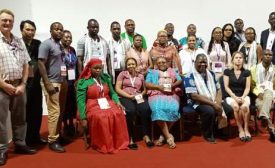
The vision of SARFAAS is to become a Regional Forum that enhances food and nutrition security and development through effective and efficiently